
dejar un mensaje
Si le interesan nuestros productos y desea obtener más información, deje un mensaje aquí y le responderemos lo antes posible.


Freight damage, roadside inspection failures, and unplanned downtime can eat into your distribution profits fast. Many fleet buyers only shop around based on unit price, but partnering with an unreliable vendor often leads to inconsistent product quality, batch-to-batch variation, and long delays when you need to restock urgently.
Whether you run a small regional delivery fleet, a large 3PL warehouse, or a nationwide dry van network, your cargo control supplier should act as an operational partner — not just someone selling ratchet straps, cargo bars, shoring beams, and trailer securement hardware. Below are the key factors to review before placing bulk orders.
1. Confirm real manufacturing capacity and in-house quality checks
Many suppliers simply resell imported parts with no factory-level oversight. When you work directly with a manufacturer, you get better traceability, consistent material specs, and faster support for custom sizes or private labeling.
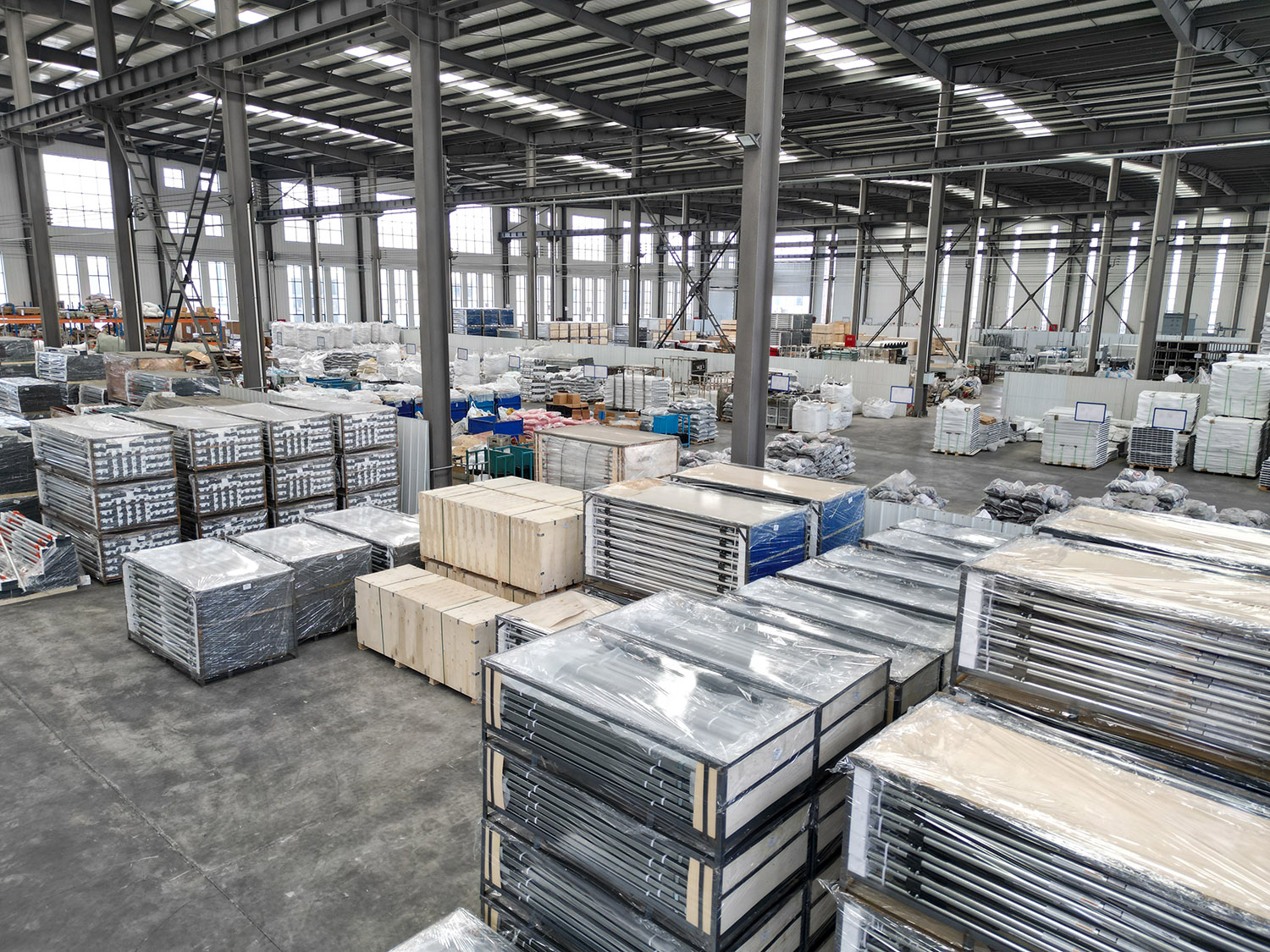
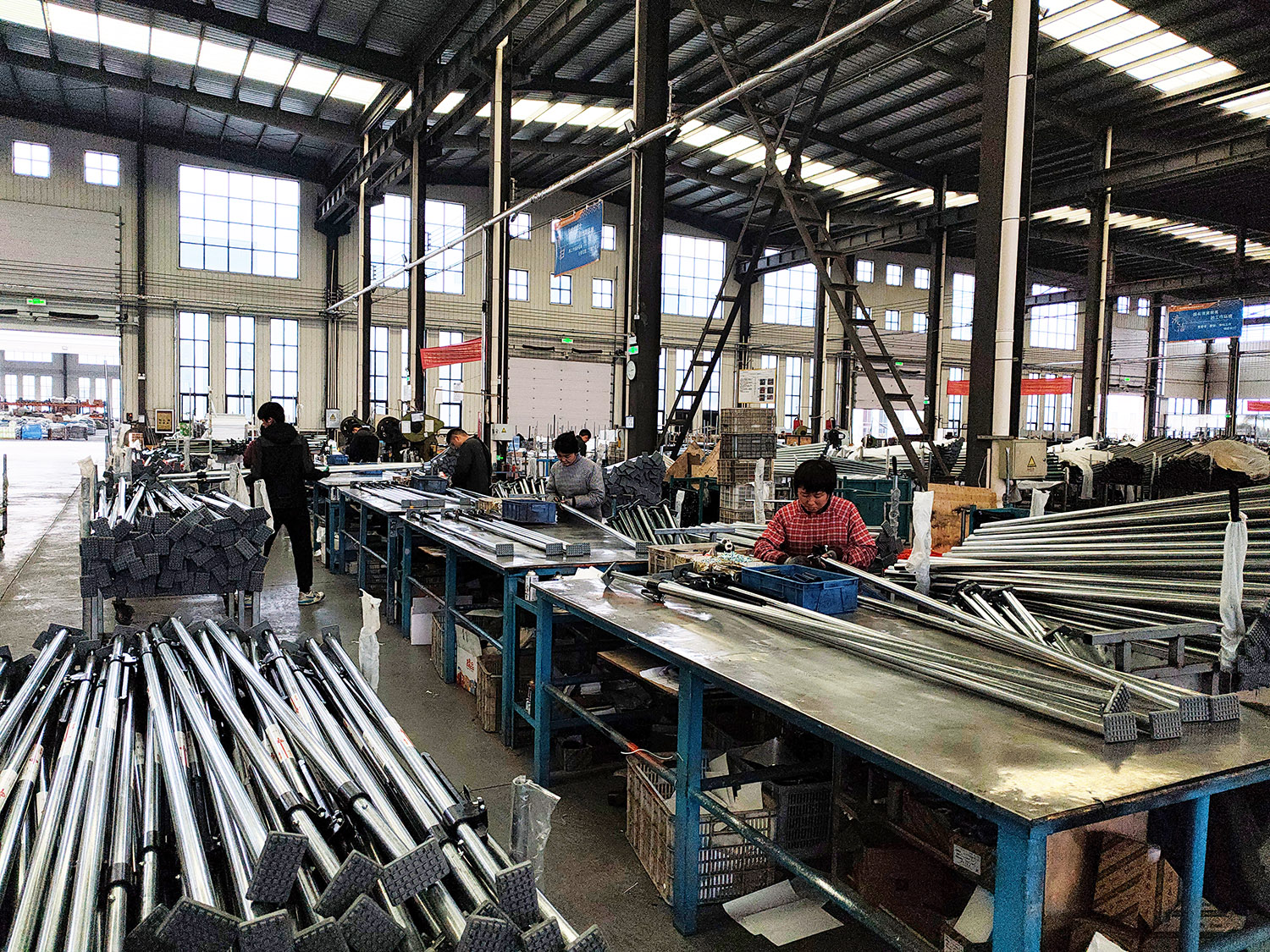
At Goldenlinkpro, we run our own production facility in Cambodia focused on heavy-duty cargo control hardware for dry vans, box trucks, and semi fleets. Every cargo bar, shoring beam, and tie-down component goes through load testing before shipment, so each batch meets your required Working Load Limit (WLL).
This matters for fleet operators: thin steel tubing, low-friction rubber end caps, or subpar webbing will fail under hard braking, rough pavement, and crosswinds. That failure translates straight into damaged freight and costly claims.
2. Make sure they understand North American safety compliance
DOT cargo securement rules are enforced strictly across the US. Your supplier must provide clear WLL markings, load test certificates, and documentation aligned with FMCSA requirements. Steer clear of vendors who cannot furnish test reports for cargo bars and shoring beams.
If you ship regularly across the US and Canada, confirm they understand E-track and L-track fitment standards for shoring beams. Poorly fitted beams can shift mid-transit and trigger out-of-service violations during inspections.
3. Look for flexibility with OEM and custom orders
Fleet and distribution customers often need non-standard lengths, branded labeling, custom packaging, or mixed-container shipments. A dependable manufacturer won’t only push pre-packaged standard SKUs.
Goldenlinkpro offers full OEM and ODM support for cargo bars, shoring beams, and heavy-duty booster cables. We can adjust tube thickness, rubber pad designs, beam lengths, and branding to match your private label program or internal fleet specs.
4. Evaluate lead times, bulk pricing, and post-shipment support
Stockouts create major headaches for distribution centers running continuous loading cycles. Ask about minimum order quantities, production lead times, container consolidation options, and their policy for defective units.
A trustworthy supplier stays responsive after the sale. They can walk you through load configuration best practices, recommend the right mix of shoring beams and ratchet straps for your trailer layout, and help calculate how many bars you’ll need for typical loads.
5. Don’t chase the lowest price blindly
The cheapest cargo bar on the market often uses light-gauge steel that bends under repeated tension. The small savings upfront get wiped out quickly by damaged inventory, insurance claims, and trucks being taken out of service.
Balance cost against rated load capacity, service life, and warranty coverage. For high-utilization fleets, heavy-duty gear sourced direct from a manufacturer usually delivers the lowest total cost over time.
A: Reputable suppliers supply Working Load Limit (WLL) markings, load test reports, and material traceability documents. These records help you pass roadside FMCSA inspections and prove your securement gear meets federal standards.
A: OEM means you apply your own brand and labeling to our existing product designs. ODM lets us modify dimensions, hardware, rubber pads, or packaging to build a custom product built around your specifications.
A: You can, but it carries risk. Different manufacturers use different steel grades, friction pad compounds and tolerance standards. Mixing hardware from multiple sources makes it harder to verify consistent load performance for your fleet.
A: MOQs vary by item and custom requirements. Standard SKUs usually have lower minimums, while fully custom ODM designs require larger order quantities. Contact our team to get details for your product mix.
Final Takeaway
A solid cargo control supplier protects your freight, keeps drivers safe, and keeps your fleet compliant. Prioritize direct manufacturers with verified load testing, clear compliance paperwork, and flexible custom production.
Goldenlinkpro is your Cambodia factory partner for heavy-duty cargo bars, shoring beams, booster cables, and trailer securement hardware for fleets and distribution businesses serving North America.
dejar un mensaje
Escanea y envíalo a WeChat/WhatsApp. :

